How to Choose the Best Roof Sealants and Coatings for Longevity
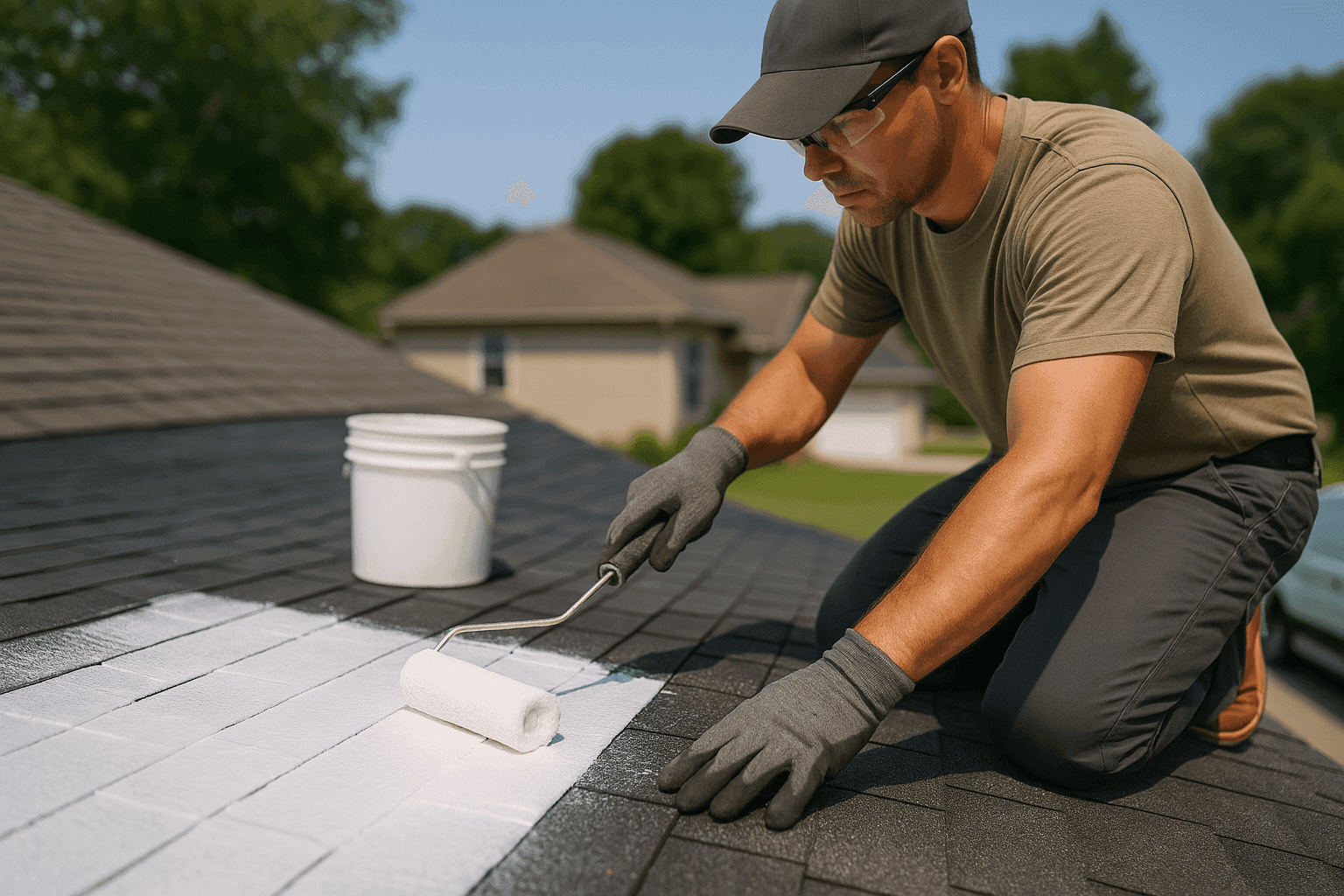
When the rain pounds or the sun scorches, your roof stands guard. But even the toughest roof needs a shield. Roof sealants and coatings are that invisible armor—keeping leaks, cracks, and weather at bay. Whether you’re a homeowner or running a small business, protecting your investment isn’t just smart. It’s essential.
At Frakes Roofing, we’ve seen firsthand how the right sealant can mean the difference between a quick fix and a costly emergency roofing call. Let’s break down how to choose, apply, and maintain the best sealants and coatings for a roof that lasts.
Understanding Different Types of Roof Sealants and Coatings 🏠
Not all roofs—or sealants—are created equal. Think of your roof like a raincoat. You wouldn’t wear wool in a downpour, right? The same logic applies here. Choosing the wrong product can leave your roof exposed.
Common Types of Sealants
- Acrylic Sealants: Water-based, UV resistant, and ideal for sunny climates. Great for flat and low-slope roofs.
- Silicone Sealants: Highly flexible, waterproof, and handle ponding water well. Perfect for areas with heavy rain.
- Polyurethane Sealants: Tough and durable, excellent for high-traffic roofs but sensitive to UV.
- Bitumen-Based Sealants: Sticky and robust, best for patching leaks on asphalt or modified bitumen roofs.
Popular Roof Coatings
- Elastomeric Coatings: Stretchy, reflective, and good for energy savings.
- Asphalt Coatings: Traditional but less eco-friendly.
- Reflective “Cool Roof” Coatings: Bounce sunlight away, keeping your building cooler.
Matching Product to Roof Type
- Shingle Roofing: Use compatible acrylic or elastomeric sealants.
- Metal Roofing: Silicone or polyurethane works well.
- Flat Roofs: Look for ponding-resistant silicone or elastomeric coatings.
- Tile Roofing: Flexible acrylics or specialty tile sealants.
Tip: Always check manufacturer specs and ASTM standards for compatibility.
Benefits of Using Sealants for Roof Longevity
A roof without sealant is like a boat with a slow leak. Sure, it floats… until it doesn’t.
Why Invest in Roof Sealants?
- Leak Prevention: Stops water before it sneaks in.
- Extended Lifespan: Reduces wear and tear from sun, wind, and rain.
- Energy Savings: Reflective coatings lower cooling bills—great for your wallet and the planet.
- Mold & Mildew Defense: Keeps moisture out, so your attic stays dry and healthy.
- Faster Repairs: Sealants can buy you time during emergency roofing situations.
Industry Reference: The National Roofing Contractors Association (NRCA) recommends regular application of compatible sealants as part of a preventative maintenance plan.
Step-by-Step Guide to Applying Roof Sealants Safely
Applying roof sealant isn’t just slapping on some goop. It’s a process—one that needs care and the right steps.
1. Inspect and Clean
- Remove debris, dirt, and old flaking sealant.
- Use a broom or leaf blower for loose debris.
- Wash with a mild detergent and rinse. Let dry completely.
2. Check the Weather
- Apply only when the forecast is dry for at least 24–48 hours.
- Ideal temperatures are usually between 50°F and 90°F.
3. Prep the Surface
- Repair obvious damage (cracks, missing shingles, loose flashing).
- Use primer if required by the sealant manufacturer.
4. Apply the Sealant
- Stir or shake the product as directed.
- Use a roller or brush for even coverage.
- Start at the farthest point and work backward to avoid paint traps.
5. Let It Cure
- Wait the recommended time before exposing to rain or foot traffic.
- Double-check for missed spots after drying.
Safety Note: Always use fall protection and follow OSHA safety guidelines when working on a roof.
Eco-Friendly Roof Coating Options
Looking for greener solutions? Today’s eco-friendly coatings do more than just protect—they help your building breathe easier.
Why Go Green?
- Reflective “Cool Roof” Coatings: Lower surface temps, reducing AC use.
- Low-VOC Products: Less air pollution and safer for your family or employees.
- Recycled Content: Some products use recycled materials, cutting waste.
Energy Star® and LEED both recognize cool roof coatings for their energy-saving benefits.
Quick Safety Checklist
Before you climb that ladder, pause. Safety is more than a helmet—it’s a mindset.
- Wear non-slip shoes and gloves.
- Use a sturdy, properly angled ladder.
- Never work alone—have someone nearby in case of emergency.
- Avoid wet or windy days.
- Know where electrical lines are.
- Use harnesses and guardrails as required.
DIY vs. Call a Pro
Some folks love a weekend project. Others would rather call in the cavalry.
When DIY Makes Sense
- Small, accessible areas (like a porch roof).
- Minor touch-ups or re-coating.
When to Call Frakes Roofing
- Steep or tall roofs.
- Persistent leaks.
- Unfamiliar materials (like metal or tile).
- Emergency roofing situations.
Remember: A slip can turn a simple job into a hospital visit. When in doubt, call a pro.
What Pros Do On Arrival
When you call Frakes Roofing, here’s what happens:
- Thorough Inspection: We check for hidden damage, not just surface issues.
- Material Selection: We choose the right product for your roof and climate.
- Proper Prep: Surfaces are cleaned, dried, and primed if needed.
- Expert Application: Even, thorough coverage—no missed corners.
- Final Walkthrough: We double-check every inch, so you don’t have to worry.
Prevention & Maintenance
A little care now saves big headaches later. Here’s how to keep your roof in shape:
- Annual Inspections: Catch problems before they grow.
- Clean Gutters: Blocked gutters cause water to back up and damage sealants.
- Trim Overhanging Branches: Falling branches can tear coatings.
- Touch Up Sealant: Reapply as needed, especially after storms.
Tip: Set a reminder for spring and fall—prime times for roof checkups.
Costs & Time Factors
Roof sealants and coatings come in all price ranges. Here’s what to expect:
- Materials: Costs vary by type—acrylic is usually less expensive, silicone more.
- Labor: DIY saves on labor, but pros bring expertise (and safety).
- Time: Small jobs may take a few hours. Full coatings can take a day or two, including drying time.
- Maintenance: Re-coating intervals range from 3–10 years, depending on product and exposure.
When It’s an Emergency
A sudden leak during a storm? That’s when emergency roofing matters most. Here’s what to do:
- Contain Water: Use buckets, towels, or tarps inside to limit damage.
- Stay Safe: Don’t climb on the roof during bad weather.
- Call for Help: Emergency crews can tarp, patch, or seal until a permanent fix is possible.
FAQ: Roof Sealants and Coatings
How do I know which sealant is right for my roof?
Check your roof type (shingle, metal, flat, tile) and pick a sealant designed for that surface. Review manufacturer recommendations and look for products that meet ASTM or UL standards.
How often should I reapply roof coatings?
Most coatings last 3–10 years. Inspect your roof yearly and reapply if you notice cracks, peeling, or worn spots.
Can sealants fix every leak?
Sealants are great for small cracks or seams, but bigger leaks may need structural repairs. If you’re unsure, have a professional inspect the area.
Are eco-friendly coatings as durable?
Yes, many eco-friendly options meet or exceed traditional standards. Look for Energy Star® or LEED-recognized products for proven performance.
Special Considerations for This Service
- Historic or Decorative Roofs: Some coatings may alter appearance—test a small area first.
- Flat Roofs: Ponding water needs special products—don’t use standard acrylics here.
- Commercial Buildings: Check for local code requirements and fire ratings.
- Skylights, Chimneys, Flashings: Use compatible sealants to avoid leaks at these tricky spots.
A strong roof starts with the right protection. Whether you’re patching up after a storm or planning for years of peace of mind, Frakes Roofing is ready to help.
Call Frakes Roofing now — or reach us anytime at 877-550-3398 .