How to Extend Your Roof’s Lifespan: Essential Maintenance Tips
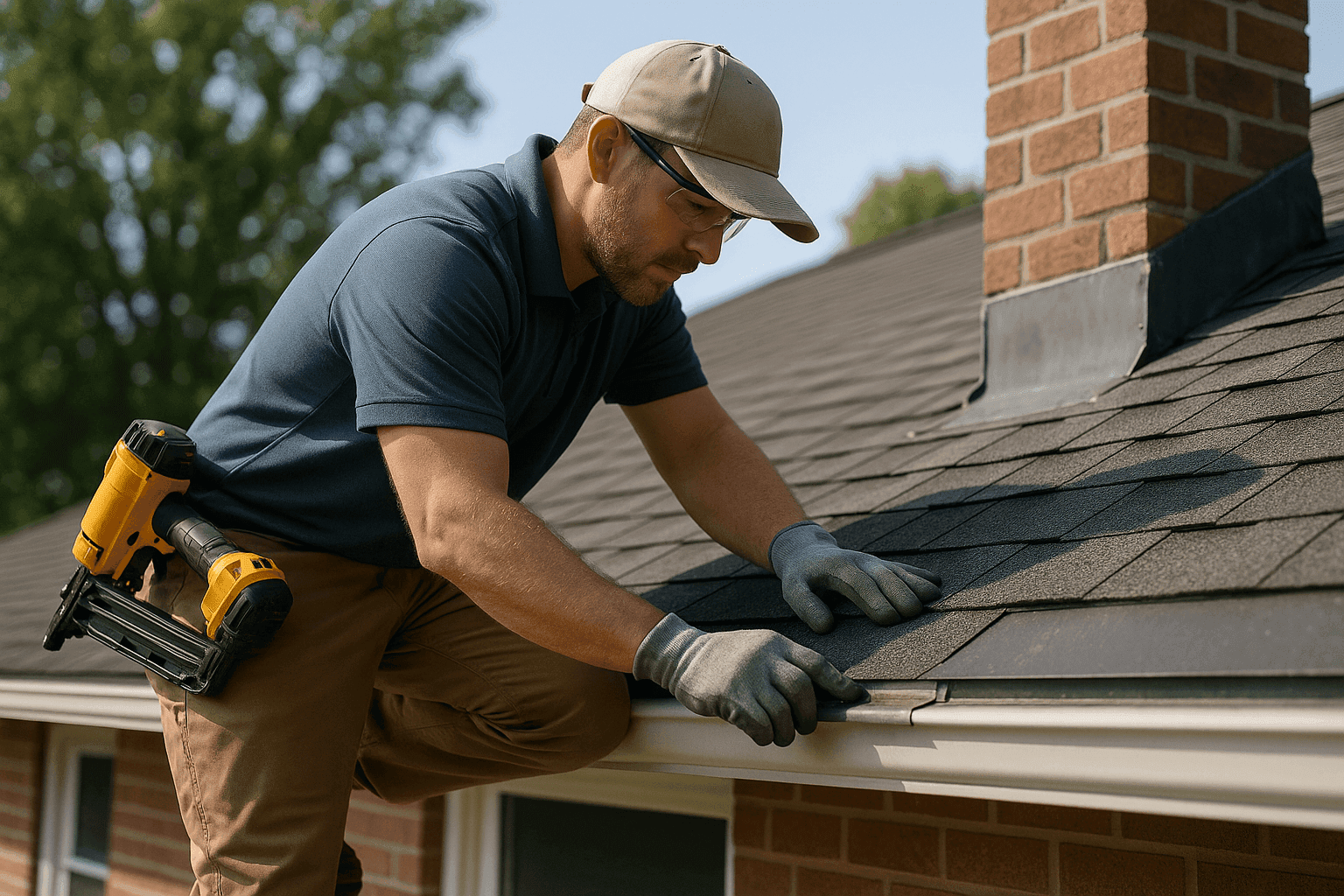
Is your roof just a hat for your house? Not quite. It’s more like a shield, standing guard through storms, heat, and everything in between. But even the strongest shield needs care. Ignore it, and you could face leaks, mold, or a full-blown emergency roofing situation—right when you least expect it.
At Frakes Roofing, we know that a little attention now can save you a mountain of stress (and money) later. Let’s break down the steps you can take to keep your roof strong, sturdy, and ready for anything.
Importance of Roof Maintenance: Why It Matters 🏠
Think of your roof as the unsung hero of your home or business. It takes the brunt of wind, rain, sun, and snow—day after day, year after year. Without regular maintenance, small problems can snowball into major headaches.
- Prevents leaks and water damage: Routine checks catch tiny cracks or missing shingles before rainwater finds its way inside.
- Saves money: Fixing minor issues early is far cheaper than replacing the whole roof or dealing with structural repairs.
- Boosts energy efficiency: Proper insulation and ventilation mean your heating and cooling systems don’t have to work overtime.
- Protects property value: A well-maintained roof keeps your home or business looking sharp and market-ready.
According to the National Roofing Contractors Association (NRCA), most major roof failures start as minor, overlooked issues. Regular care is the secret to a long-lasting, trouble-free roof.
Seasonal Maintenance Checklist: Year-Round Care
Each season brings its own challenges. Here’s how to keep your roof in top shape all year.
Spring
- Clear away branches, leaves, and debris from the roof and gutters.
- Check for shingle damage from winter storms.
- Inspect flashing around chimneys, skylights, and vents for cracks or gaps.
- Look for signs of moss or algae growth.
Summer
- Watch for curling, blistered, or missing shingles caused by heat.
- Inspect attic ventilation and insulation—proper airflow prevents heat buildup.
- Examine sealants and coatings for signs of drying or cracking.
- Trim overhanging branches to reduce debris and shade the roof.
Fall
- Clean gutters and downspouts—clogged gutters can lead to water backing up under your shingles.
- Check for loose or damaged flashing before winter storms arrive.
- Look for signs of animal nests or pests.
- Schedule a professional inspection if you spot anything unusual.
Winter
- Remove heavy snow buildup if safe to do so; too much weight can stress the roof structure.
- Watch for ice dams at the roof’s edge, which can force water under shingles.
- Check attic for signs of leaks or frost buildup.
- Keep gutters clear to prevent ice blockages.
How to Inspect Your Roof: Spot Problems Early 🔍
You don’t need to climb a ladder to catch early warning signs. Grab a pair of binoculars and take a slow walk around your property.
- Shingles: Look for missing, cracked, curled, or buckled shingles.
- Flashing: Check for rust, cracks, or gaps around chimneys, vents, and skylights.
- Gutters: Are they sagging, leaking, or full of debris?
- Sealants: Inspect visible caulking for peeling or gaps.
- Attic: Peek inside after heavy rain—do you see damp spots, mold, or daylight shining through?
If you notice anything out of the ordinary, it’s time to take action before a small issue turns into an emergency roofing call.
Benefits of Sealants and Coatings: Your Roof’s Raincoat
Sealants and coatings act like a raincoat for your roof. They seal tiny cracks and create a barrier against moisture, UV rays, and temperature swings.
- Moisture protection: Stops water from seeping into cracks, preventing leaks and rot.
- UV defense: Reflects sunlight, reducing heat damage and lowering cooling costs.
- Extends lifespan: Regular application can add years to your roof’s life.
- Eco-friendly options: Modern products are safer for families and the environment.
The International Building Code (IBC) and manufacturers recommend periodic reapplication—usually every few years, depending on the product and climate. Always follow manufacturer instructions for best results.
When to Call a Professional: Don’t Wait for Trouble 🚨
Some jobs are perfect for a weekend DIY project. Others? Not so much. Here’s when you should call in the pros at Frakes Roofing:
- Storm damage: Missing shingles, leaks, or visible structural issues after a storm.
- Persistent leaks: Water stains, mold, or musty odors that keep coming back.
- Sagging or bowing: The roof deck shouldn’t look wavy or uneven.
- Chimney or skylight issues: Flashing repairs require special skills and materials.
- Emergency roofing needs: If water is pouring in or you see daylight through your roof, don’t wait.
Roof work can be dangerous. The Occupational Safety and Health Administration (OSHA) urges homeowners and business owners to avoid unnecessary ladder climbs and roof walks. Leave high-risk repairs to trained professionals with the right safety gear.
Practical Maintenance Tips for a Longer-Lasting Roof
Small steps make a big difference. Here’s what you can do:
- Clean gutters twice a year: Spring and fall are key times to prevent blockages.
- Trim trees regularly: Overhanging limbs can scrape shingles and drop leaves.
- Check attic ventilation: Proper airflow prevents moisture buildup and extends shingle life.
- Inspect after big storms: Even if everything looks fine from the ground, a quick check can catch hidden problems.
- Schedule annual inspections: A professional eye can spot what you might miss.
FAQ: Common Roof Maintenance Questions
How often should I have my roof inspected?
The NRCA suggests at least once a year, plus after major storms. Regular inspections catch issues before they become expensive repairs.
Can I do roof maintenance myself?
Some tasks—like cleaning gutters or checking for visible damage—are safe for most people. But repairs, inspections involving ladders, or anything requiring special materials should be left to professionals.
What’s the average lifespan of a roof?
It depends on the material. Asphalt shingles last 15–30 years, metal roofs 40–70 years, and tile roofs even longer with proper care. Regular maintenance can add years to any roof.
Are eco-friendly roofing options worth it?
Absolutely. Modern eco-friendly materials and coatings can improve energy efficiency, reduce your carbon footprint, and last just as long as traditional products.
Special Considerations for Homeowners and Small Business Owners
Every roof is different. Commercial properties may have flat roofs or special drainage needs. Homes might have skylights, chimneys, or unique architectural features. No matter the type, the basics remain the same: keep it clean, check it often, and address problems quickly.
If your property houses sensitive equipment, inventory, or family heirlooms, a well-maintained roof is your first line of defense. Don’t wait for an emergency roofing situation to find out if your roof is up to the task.
Ready to give your roof the care it deserves? Call Frakes Roofing now — or reach us anytime at 877-550-3398 .