How to Prepare Your Roof for Winter Storms: Essential Tips for Homeowners
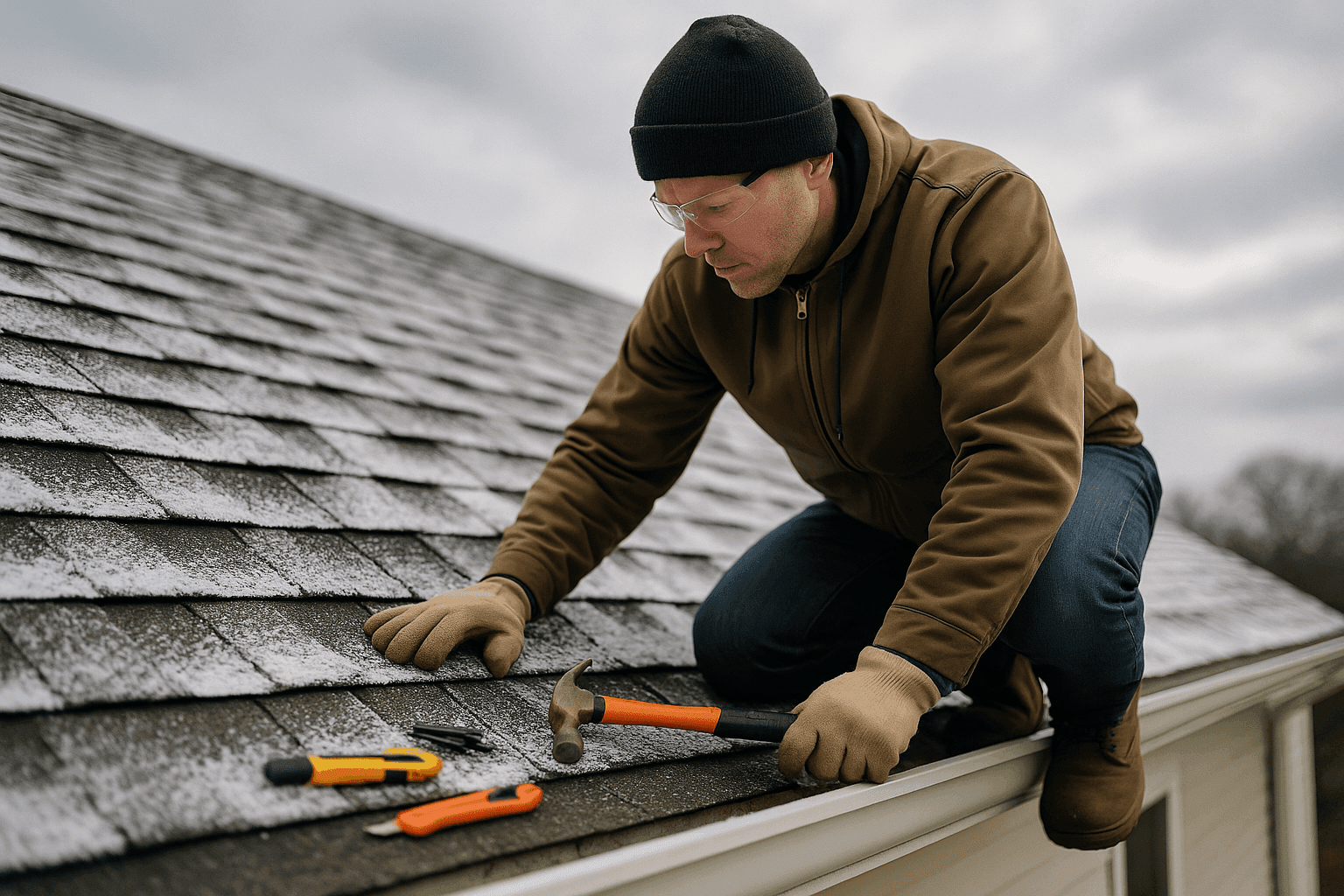
Winter storms don’t just test your patience—they test your roof. The weight of snow, the stealth of ice, and the bite of freezing winds can turn small issues into big emergencies overnight. If you’re a homeowner or small business owner, now’s the time to prepare your roof for what’s coming.
At Frakes Roofing, we’ve seen firsthand how a little preparation can mean the difference between a safe, cozy home and a costly emergency roofing call. Here’s your step-by-step guide to getting ready for winter’s worst.
Understanding Winter Storm Risks
Winter storms are more than just a pretty dusting of snow. They bring real threats:
- Ice dams that creep along your gutters, trapping water and forcing it under your shingles.
- Heavy snow loads that weigh down your roof like a wet wool blanket.
- Freezing temperatures that turn minor leaks into major water damage.
Even newer roofs aren’t immune. The National Roofing Contractors Association warns that winter can expose hidden vulnerabilities—cracks, loose shingles, and clogged gutters all become big problems when the temperature drops.
Inspecting Your Roof Before Winter 🕵️
A thorough inspection is like a checkup for your roof. It’s your chance to spot trouble before it’s buried under snow.
What to look for:
- Loose or missing shingles: Shingles that flap in the wind or have gone missing are an open invitation for leaks.
- Damaged flashing: The thin metal around chimneys, skylights, and roof edges should be snug and rust-free.
- Sagging areas: Any dip or soft spot can mean trouble beneath the surface.
- Blocked vents: Proper airflow is crucial for preventing ice dams.
Bring binoculars if you’re inspecting from the ground. For a closer look, use a sturdy ladder—but if you’re not comfortable, call a pro. The Occupational Safety and Health Administration (OSHA) recommends using fall protection gear for any work off the ground.
Improving Roof Ventilation and Insulation
Think of your attic as a winter jacket for your house. If it’s too thin or too tight, you’ll feel the cold—or worse, see it in the form of ice dams.
Why Ventilation Matters
Warm air from your living space rises and gets trapped in the attic. Without proper ventilation, it melts the snow on your roof, which then refreezes at the edges, forming ice dams. These dams block melting snow from draining, causing water to back up under your shingles.
How to improve ventilation:
- Check that soffit and ridge vents are clear of debris.
- Install baffles to keep insulation from blocking airflow.
- Consider adding attic fans for extra circulation.
Insulation: Your Secret Weapon
Proper insulation keeps heat where it belongs—inside. The U.S. Department of Energy recommends at least 10 to 14 inches of insulation in most attics. Eco-friendly options like cellulose or recycled denim not only save energy but are safer for the environment.
Quick tips:
- Look for uneven or thin spots in your attic insulation.
- Add more insulation if you can see the tops of your joists.
- Seal gaps around pipes, wiring, and attic hatches with weatherstripping or spray foam.
Gutter and Downspout Maintenance for Winter
Gutters are like the veins of your home—if they’re clogged, water can’t flow and problems quickly multiply.
Why clean gutters matter:
- Prevents ice dams by allowing meltwater to drain freely.
- Stops water from backing up and seeping into your roof or walls.
- Reduces the risk of heavy icicles forming, which can damage gutters and pose safety hazards.
How to prep your gutters:
- Remove all leaves, twigs, and debris.
- Check for sagging sections or loose fasteners.
- Make sure downspouts direct water at least 3 feet away from your foundation.
- Consider installing gutter guards to keep debris out.
A simple cleaning now can save you from a winter of headaches.
Sealants and Coatings to Prevent Ice Damage
A good sealant is like a raincoat for your roof—repelling water and blocking out the cold.
Where to apply:
- Around chimneys, skylights, and vent pipes.
- Along flashing and roof valleys.
- At the seams of flat roofs.
Choose the right product:
Look for cold-weather-rated sealants and elastomeric coatings. These stay flexible even when temperatures plunge. For eco-friendly options, low-VOC roof coatings are available—they’re tough on leaks, but gentle on the environment.
When to apply:
Late fall is ideal, before freezing temperatures set in. Always follow manufacturer instructions for curing times and application.
Emergency Preparedness for Winter Roof Issues 🚨
Even with the best prep, winter can surprise you. Being ready for emergencies gives you peace of mind.
Build your emergency roofing kit:
- Heavy-duty tarp (for temporary leak coverage)
- Roofing nails or screws
- Hammer or cordless drill
- Flashlight with extra batteries
- Roofing cement
What to do if disaster strikes:
- Stay safe—don’t climb on icy roofs.
- Contain leaks inside with buckets and towels.
- Use a tarp to cover damaged areas if it’s safe to do so.
- Call a professional emergency roofing service as soon as possible.
Remember, safety comes first. The Insurance Institute for Business & Home Safety recommends contacting a qualified roofer for any major repairs.
Quick Safety Checklist for Winter Roof Preparation
- [ ] Inspect shingles, flashing, and roof valleys
- [ ] Clear gutters and downspouts
- [ ] Check attic insulation and ventilation
- [ ] Apply sealant to vulnerable areas
- [ ] Trim overhanging tree branches
- [ ] Prepare emergency supplies
Tick these off before the first snowflake falls and you’ll sleep easier all season.
DIY vs. Calling a Professional
Some tasks are perfect for a Saturday afternoon. Others call for a seasoned hand.
DIY-friendly:
- Cleaning gutters
- Checking attic insulation
- Clearing debris from roof and vents
Call a professional for:
- Roof inspections (especially for steep or high roofs)
- Structural repairs or sagging roofs
- Leak repairs involving flashing or skylights
- Applying roof coatings or sealants in hard-to-reach areas
Remember, working on a roof in cold or icy conditions can be dangerous. When in doubt, let professionals handle it.
What Professionals Do When They Arrive
When you call Frakes Roofing for emergency roofing or seasonal prep, here’s what you can expect:
- Thorough inspection: We check shingles, flashing, gutters, and attic spaces for hidden issues.
- Moisture detection: Using tools to spot leaks invisible to the naked eye.
- Ventilation and insulation assessment: Ensuring your attic is winter-ready.
- Gutter and downspout check: Making sure water flows where it should.
- Recommendations: Honest advice on repairs, upgrades, or eco-friendly improvements.
We follow industry best practices and safety guidelines from the National Roofing Contractors Association to keep your home protected.
Prevention & Maintenance: Your Best Defense
Ounce of prevention, pound of cure—never truer than with roofs.
Routine maintenance tips:
- Schedule roof inspections twice a year—fall and spring.
- Keep gutters and downspouts clear, especially after storms.
- Address small leaks or missing shingles promptly.
- Trim back trees to prevent falling branches and debris buildup.
- Upgrade to impact-resistant shingles or metal roofing for added durability.
Preventative maintenance not only saves money but also extends the life of your roof.
Costs & Time Factors
Roof preparation doesn’t have to break the bank, but costs can vary based on roof size, materials, and the extent of repairs.
- Gutter cleaning: Usually takes 1–2 hours for an average home.
- Roof inspection: Expect a few hours, depending on roof complexity.
- Minor repairs: Can often be completed in a day.
- Major repairs or replacement: May take several days, especially if weather delays arise.
Material choices—like eco-friendly insulation or high-performance coatings—can affect costs, but may save energy and money in the long run.
When It’s an Emergency
Sometimes, winter storms strike fast. Here’s when to call for emergency roofing help:
- Sudden leaks or water stains on ceilings
- Sagging or collapsing roof sections
- Large ice dams or heavy snow buildup
- Storm damage from wind, hail, or falling branches
Don’t wait—fast action can limit damage and keep your family or business safe.
Frequently Asked Questions
How can I tell if my roof is ready for winter?
Look for missing shingles, damaged flashing, and clogged gutters. Check your attic for signs of leaks or poor insulation. When in doubt, schedule a professional inspection.
What’s the best way to prevent ice dams?
Keep your attic well-insulated and ventilated. Clear gutters regularly so melting snow can drain. Consider installing heat cables if ice dams are a recurring problem.
Is eco-friendly insulation as effective as traditional materials?
Yes—products like cellulose or recycled denim insulation offer strong thermal performance and can be safer for the environment. Always check product ratings and installation guidelines.
Can I remove snow from my roof myself?
Light snow can sometimes be removed with a roof rake from the ground. Never climb onto a snowy or icy roof—leave heavy or stubborn snow to professionals.
Special Considerations for Winter Roofing
- Flat roofs: Need extra attention—ponding water and ice can cause leaks fast.
- Metal roofing: Sheds snow well, but seams and fasteners should be checked for gaps.
- Skylights and chimneys: Vulnerable to leaks—ensure flashing and sealants are in good shape.
- Older roofs: May need reinforcement or replacement if they show signs of wear.
If you’re planning a new roof, ask about materials and designs that stand up to winter’s worst.
Don’t let winter catch you off guard. Prepare your roof now for peace of mind all season long.
Call Frakes Roofing now — or reach us anytime at 877-550-3398 .